
https://www.abeneth.com/the-ultimate-guide-to-luxury-bedding-and-high-end-bedroom-makeovers/
In today’s world, bedding has many materials, and the quality of our sleep is also closely related to these materials. Today we will take you to recognize the characteristics of different bedding materials, so that you can choose the right bedding, improve the use of comfort, and also improve the quality of sleep.
1. Cotton bedding
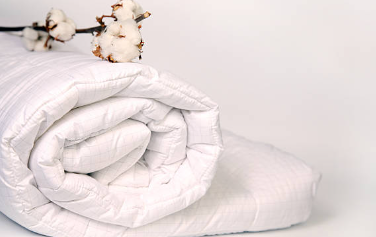
Cotton is the most popular material. Cotton is natural, soft and breathable, which makes it suitable for most people, especially friendly to those with sensitive skin. Cotton bedding is cozy, breathable in summer and warm in winter. However, cotton bedding is easy to wrinkle, need frequent care and maintenance, and the lower quality of cotton materials may appear pilling phenomenon.
2. bamboo fiber bedding
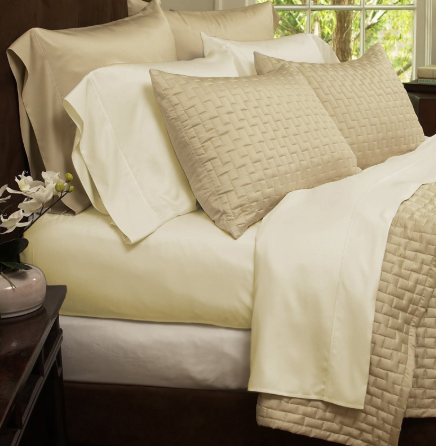
Bamboo fiber has natural antibacterial properties, and excellent performance in moisture absorption and breathability, in the heavy moisture or easy to sweat the environment is very suitable. Bamboo fiber bedding is refreshing to the touch, in addition to the hard touch, the price is a little expensive, but also a good choice.
3. Linen bedding
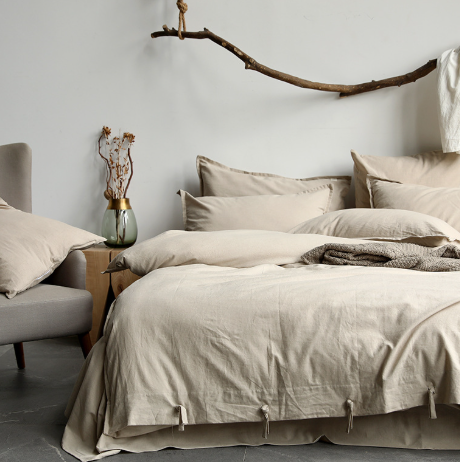
Linen bedding is especially suitable for summer. Ya it has a natural cool feeling, can effectively absorb and discharge moisture. But because the linen fiber is more hard, so it feels slightly rougher than other materials, and easy to wrinkle, but also need to be ironed frequently to maintain the appearance.
4. Silk bedding
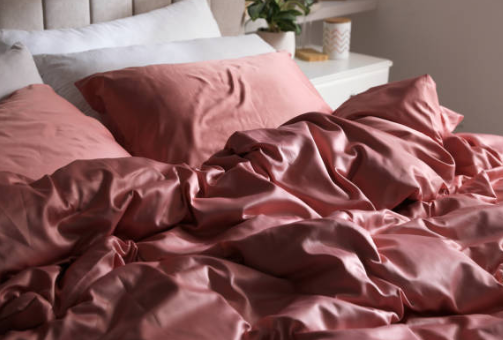
Silk bedding, synonymous with luxury, is outstanding in its luster and softness. Silk is able to regulate body temperature according to the seasons, keeping you cool in summer and warm in winter. But its shortcomings are also very obvious, that is, the price is higher, and care requirements are higher, need special attention to cleaning and maintenance, avoid direct exposure to the sun to maintain its luster and softness.
5. Tencel bedding
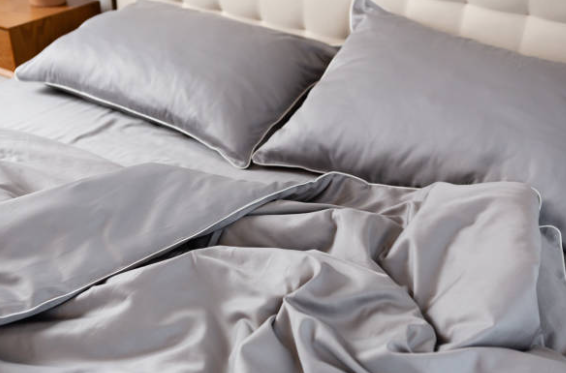
Tencel, or Lysol, is an environmentally friendly material. Tencel bedding has a silky smooth touch, but also has good breathability and moisture absorption, so it is suitable for use in all seasons. Compared with silk, Tencel is more affordable and easy to take care of, but it is relatively delicate, need to avoid excessive friction.
6. wool bedding
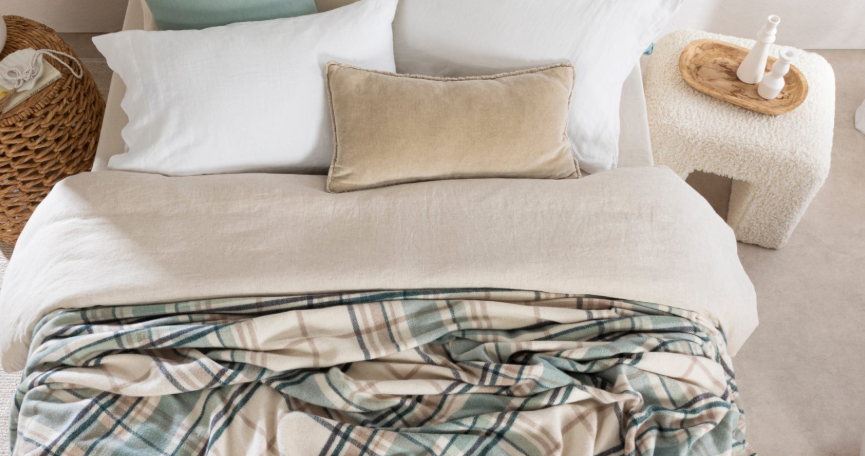
Wool bedding is suitable for use in cold seasons and has excellent warmth. Wool bedding can provide good temperature regulation, keep warm and breathable. However, wool material is more expensive and some people may be allergic to wool, so you need to pay special attention when buying. If you are allergy-prone, you should be careful when choosing wool bedding.
7. Synthetic fiber bedding
Synthetic fiber bedding is an affordable option for consumers on a budget. Synthetic fiber bedding is durable and easy to clean, but it is less breathable and can lead to overheating, which is not ideal for summer use. Most bedding made from synthetic fibers are specially treated to make them soft and durable, but they may lack the comfort of natural materials.
Understanding the characteristics of various materials and the scenarios in which they are suitable can help you choose the best bedding for your personal needs and budget. Whether it’s for comfort, warmth, or because of allergy issues, choosing the right bedding can provide you with a more restful and cozy sleeping environment.
https://www.abeneth.com/the-ultimate-guide-to-luxury-bedding-and-high-end-bedroom-makeovers/