https://www.abeneth.com/the-ultimate-guide-to-caring-for-and-storing-premium-home-textiles-linen-silk-and-long-staple-cotton/
Among many natural fibers, linen, due to its excellent breathability , moisture absorption, and unique natural wrinkle texture, has become the preferred home textile material for those who pursue high-quality and sustainable lifestyles. It is tougher and more durable than cotton fibers and becomes softer with each wash.
However, while linen is a strong fiber, incorrect washing and drying methods can damage its fiber structure, causing it to become stiff, wrinkle excessively, and even lose its signature moisture-wicking properties.
maximize its iconic natural pleated beauty to ensure that your linen home textiles can be long-lasting and comfortable.
Advantages of Linen Home Textiles: The Science of Breathability and Moisture Absorption
Understanding the properties of flax is the basis for its proper care. Flax fiber originates from the stem of the flax plant and its structure determines its special place in home textiles.
A. Excellent breathability
Hollow structure: Flax fibers are hollow, which allows tiny channels to form between the fabrics, greatly promoting air circulation.
Cool feeling: This high breathability makes linen the first choice for home textiles in summer. It can quickly take away heat from the human body surface and provide a unique “cool touch”.
B. Amazing moisture wicking ability
Rapid moisture absorption: Flax fibers can absorb 20% of their own weight in water and release it quickly into the air.
Antibacterial and antimicrobial: This quick-drying property gives linen home textiles a natural antibacterial and antimicrobial effect, making it an ideal choice for people with sensitive skin.
II. Key to caring for linen: Gentle washing and avoiding high temperatures
Although flax is tough, it is very sensitive to high temperatures and strong rubbing. Improper washing is the main reason why flax becomes tough.
A. Washing Tips: Be as gentle as you would be with cotton and linen blends
| Maintenance steps | Core Skills | Purpose and Principle |
| First wash | Must be washed separately in cold water. | Linen releases excess natural starch and some floating color when it is first washed, and cold water helps stabilize the fibers. |
| Water temperature and mode | Cold water below 30°C and use the **Gentle** cycle on your washing machine. | High temperatures will shrink the linen fibers, causing the fabric to become stiff. |
| detergent | Choose a neutral and mild laundry detergent . | Avoid detergents containing optical brighteners, bleach or enzymes, as they can weaken the linen fiber structure. |
| Disable softener | Do not use fabric softener. | Softeners form a film on the linen fibers, blocking their natural hollow structure and compromising their core breathability and moisture absorption. |
B. Drying and the development of “wrinkle aesthetics”
Drying: The best way to dry is to air dry. Linen should be removed from the washing machine while still slightly damp , shaken out vigorously, and then hung. Hanging naturally allows gravity to smooth out most wrinkles.
Avoid tumble drying: Do not use a tumble dryer at high temperatures. High temperatures can over-dry the flax fibers, making them brittle and stiff, and causing noticeable shrinkage.
Embrace the wrinkle: Linen’s charm lies in its natural, slightly lazy wrinkle . For a smoother look, iron it on a medium-high heat while it’s dry . For a pure, natural look, leave it unironed.
I have a linen sheet that felt stiff after the first wash, and I thought it was poor quality. Later, I realized the dryer had ruined it. I switched to washing it in cold water, removing it when slightly damp, and hanging it on the balcony where the air is fresh. Now, after more than a dozen washes, it hasn’t gotten any stiffer, but has become increasingly soft and comfortable. Its unique, lazy creases are the most elegant addition to any bedroom.
Long-term maintenance: storage moisture-proofing and life extension strategies
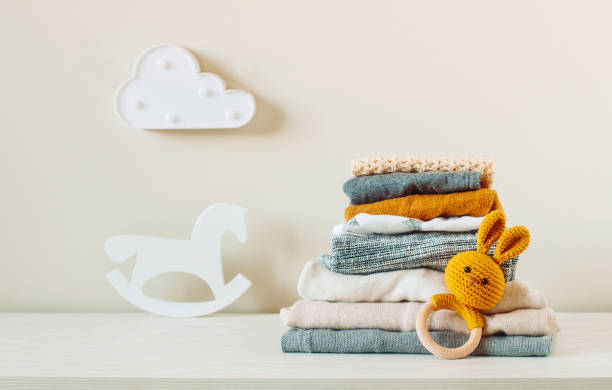
Proper storage is key to ensuring linen retains its breathability and natural beauty over time.
A. The key to extending life: periodic cleaning
Avoid buildup: Linen bedding should be washed regularly. Sweat and body oils that remain on home textiles for too long can damage linen fibers, causing them to discolor and age.
Ironing options: If you’re looking for a natural wrinkle, you can avoid ironing. However, regular ironing (even lightly) can slightly stretch and relax the linen fibers, helping to maintain their flat structure.
B. Storage and moisture-proof: keep the fibers breathing
Complete drying is a prerequisite: Before storing for the change of seasons, you must ensure that the linen is completely dry .
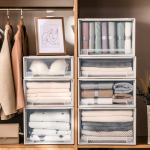
Storage material: It is best to use breathable cotton bags or old sheets to wrap , avoid using sealed plastic bags or vacuum compression bags. Linen needs to breathe, and sealing will cause the fibers to become brittle and may cause yellowing.
Insect-proof: Linen isn’t easily eaten by insects, but placing lavender or cedarwood blocks in storage areas will still help keep it fresh.
Conclusion:
The unique charm of linen home textiles is that they get better with time : with each wash, they become softer and more skin-friendly. Not only does it provide excellent breathability and comfort, but its natural, imperfect pleated beauty also embodies a relaxed and sustainable attitude towards life.
By following the “breathing” rules of gentle washing, natural drying, and air-drying storage , your linen home textiles can maximize their lifespan and become the most lasting and elegant investment in your bedroom.
What’s your favorite color of linen (raw, white, or dyed)? Do you think the natural wrinkles in linen are a beauty or a burden that requires ironing?
https://www.abeneth.com/the-ultimate-guide-to-caring-for-and-storing-premium-home-textiles-linen-silk-and-long-staple-cotton/