https://www.abeneth.com/the-ultimate-guide-to-luxury-bedding-and-high-end-bedroom-makeovers/
Bedding is an essential part of our daily life, which directly affects our sleep quality and health. Long-term unclean bedding can easily accumulate sweat, sebum, dust, and other bacteria, which may cause skin problems or allergic reactions. Therefore, regularly cleaning bedding not only keeps it clean and tidy, but also effectively reduces bacterial growth, ensuring a comfortable and healthy sleeping environment. So, how often is it appropriate to clean bedding? Next, we will provide you with some practical suggestions for cleaning and maintenance.
Why is it necessary to regularly clean bedding?

Beddings (such as bed sheets, duvet covers, pillowcases, etc.) are items that come into direct contact with our skin every day. They are prone to accumulating sweat, dandruff, dust, and bacteria, and long-term lack of cleaning may lead to the following problems:
Bacterial growth: A humid environment can become a breeding ground for bacteria and mites, causing health problems such as skin inflammation and allergic reactions.
Odor generation: Bedding that is not cleaned for a long time can accumulate odors, affecting sleep quality.
Skin problems: Accumulation of dust, oil, and bacteria may cause skin itching, allergies, and other issues.
Regular cleaning of bedding is a key step in ensuring good sleep and a healthy lifestyle.
Suggested cleaning frequency for bedding

The cleaning frequency of bedding should be determined based on seasonal changes, climate conditions, and individual usage. Here are some common cleaning suggestions:
Bed sheets and duvet covers
Summer: Due to the high temperature in summer, there is more sweating, and bed sheets and covers can accumulate sweat, oil, and bacteria. Suggest cleaning once a week.
Winter: Winter is relatively dry, with less sweating, but dust and dandruff still accumulate. It is recommended to clean once every two weeks.
Spring and Autumn: The temperature is moderate in spring and autumn, and the cleaning frequency can be adjusted according to personal usage habits. It is usually recommended to clean once every 10 days.
Pillowcases come into direct contact with the face and hair, which can easily accumulate oil, makeup residue, and sweat. Therefore, it is recommended to clean once a week to maintain cleanliness and hygiene.
exceptional case
Allergic constitution: If you are prone to allergies, it is recommended to clean bedding every week and use antibacterial and mite-proof detergents.
During illness: During illness, the body sweats more, and bedding is prone to bacterial growth, so cleaning frequency should be increased.
Pet bed sharing: If pets also frequently go to bed, it is recommended to clean the bed sheets and duvet covers every week and use disinfectant detergent.
Bedding replacement frequency
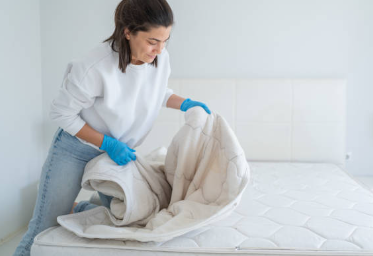
In addition to regular cleaning, the replacement of bedding is also very important. Timely replacement of worn or unhygienic bedding can ensure a healthy sleeping environment. Here are suggestions for changing the frequency:
Bed sheets and duvet covers: It is recommended to replace them every 1-2 years. If the bed sheets or duvet covers are damaged, faded, or become thinner, they should be replaced as soon as possible.
Pillowcase: The pillowcase comes into direct contact with the face and is prone to wear and tear. It is recommended to replace it every 6 months to 1 year.
Seasonal replacement: Choose bedding of different materials according to seasonal changes. For example, breathable pure cotton materials are suitable for use in summer, while warmer bedding can be chosen in winter.
How to properly clean and maintain bedding?

Classification cleaning: Clean according to the material and color of the bedding to avoid staining and damage.
Mild detergent: Choose a mild detergent and avoid using strong chemicals such as bleach, which can help extend the lifespan of bedding.
Water temperature control: Pure cotton bedding is suitable for cleaning with warm water around 40°C, while synthetic bedding should be cleaned with cold water.
Avoid excessive spin drying: Excessive spin drying can cause deformation of bedding; it is recommended to choose gentle mode for dehydration.
Regular drying: After cleaning, bedding should be dried in sunlight to effectively kill bacteria using ultraviolet radiation.
Storage precautions: Beddings that have not been used for a long time should be stored after cleaning and placed in moisture-proof bags to avoid moisture and insect infestations affecting the bedding.
Regular cleaning and replacement of bedding are the foundation for maintaining a healthy sleeping environment. Reasonably arranging cleaning frequency based on seasonal changes and usage, and adopting correct maintenance methods, can not only prolong the service life of bedding, but also improve sleep quality and reduce health risks. Keeping bedding clean is not only for a more comfortable sleep, but also responsible for the health of oneself and one’s family.
https://www.abeneth.com/the-ultimate-guide-to-luxury-bedding-and-high-end-bedroom-makeovers/