https://www.abeneth.com/ultimate-guide-to-a-warm-home-mastering-textiles-lighting/
A truly relaxing home is a gentle haven for both sight and touch. Creating a warm and inviting home atmosphere using textiles and lighting is not just about aesthetics; it’s a discipline that integrates environmental psychology and sensory science. This article will take you beyond the surface, delving into the scientific principles behind it, and providing an actionable solution for creating a gentle and inviting home atmosphere . In creating a comfortable space, textiles are often the first element to be considered, while lighting is the soul that determines the mood and atmosphere.
What is a “gentle and comfortable home atmosphere”?
It’s far more than just looking cozy; it’s an immersive experience that instantly relaxes the mind and body. This atmosphere is primarily composed of two sensory pillars: visual “light” and tactile “softness.” When warm, soft light envelops soft, skin-friendly home textiles, they together create a sense of security that makes one feel enveloped and cared for—this is the core of a gentle atmosphere.

Avoiding common pitfalls and the underlying principles
When creating a gentle atmosphere, we often fall into some common misconceptions:
Myth 1: One main light illuminates the entire house.
Truth: A single, bright ceiling light creates harsh shadows and causes visual tension. Scientific, multi-layered lighting is key.
Myth 2: Home textiles only need to look good.
Truth: The feel of the material directly sends signals of safety or alertness to the brain. Rough, itchy materials can increase stress.
Myth 3: White light is the brightest and most practical.
Truth: High color temperature cool white light (usually above 5000K) is similar to midday sunlight, which suppresses melatonin and is not conducive to relaxation at night, while warm yellow light of 2700K-3000K has been proven to create a more relaxing atmosphere.
principles behind it
How light affects us:
According to the Illuminating Engineering Society (IES) guidelines, low color temperature light sources (warm light) are generally perceived as “warm” and “comfortable” due to their spectral characteristics, making them ideal for creating a tranquil nighttime environment in living spaces.
The connection between color and emotion:
Color psychology research shows that warm tones and low-saturation colors (such as beige and light brown) are usually associated with feelings of calm, warmth and comfort because they are more likely to evoke natural elements such as the earth and sunset.
The emotional value of touch:
Neuroscience research has found that touching soft objects (such as plush blankets) can activate areas of the brain associated with reward and emotional processing, thereby producing feelings of pleasure and comfort.

Practical Guide: The Perfect Harmony of Home Textiles and Lighting
Lighting: The Three Rules for Creating a Gentle Lighting Environment
Base layer (ambient light):
Use light strips, upward-facing wall lights or floor lamps to allow light to reflect back from the ceiling or walls, creating soft, shadowless overall lighting.
Functional layer (task lighting):
Use a dimmable desk lamp or floor lamp in the reading corner or work area. The light should be focused and not glaring, and the color temperature should be around 3000K.
Atmosphere layer (focal light):
This is the soul of the atmosphere. Use point light sources, such as small table lamps, scented candles, or string lights on curtains, to create small, warm halos in corners, greatly enhancing the emotional temperature of the space.
Home Textiles: A Three-Dimensional Strategy for Creating a Gentle Touch
Floor dimension (carpet):
Choose a long-pile or soft carpet, which can absorb noise and provide a warm feel underfoot, laying the foundation for a gentle tone in the space.
For seating and bedding:
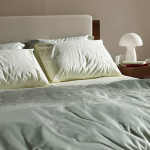
invest in sofa covers, cushions, and bedding made of high-thread-count cotton, Tencel, velvet, or fleece. Create a feeling of being softly enveloped by layering cushions of different textures and thicknesses.
Covering Dimensions (Blankets and Curtains):
Casually draping a knitted or fleece blanket over a sofa or chair back is not only decorative but also provides readily available warmth and comfort. Choosing sheer linen or cotton curtains will soften the light entering the room.
Integration Techniques: Let Light and Soft Furnishings Converse
The interplay of light and color: Warm light can enhance the softness of warm-colored home textiles, making them appear more gentle and warm.
Light and shadow and texture: Side lighting or low-angle lighting can highlight the delicate textures of materials such as knitwear and plush, making the visual layers of the space richer and more sophisticated.
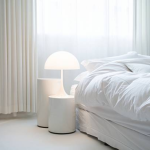
Dynamic accents: In the soft tones of home textiles, place a retro table lamp or paper lamp with a warm light bulb. It is both a light source and the most beautiful decoration.
in conclusion
Creating a warm and inviting home atmosphere is essentially an investment in self-care. It doesn’t require expensive embellishments, but rather a skillful use of light and careful selection of materials. Scientific evidence strongly suggests that an environment composed of warm light and soft fabrics can indeed help us relieve stress and rest better, both physiologically and psychologically.
Tonight, why not start by turning off the glaring main light, turning on a floor lamp, and wrapping yourself in your softest blanket to personally experience the immense comfort this small change brings?
Frequently Asked Questions (FAQ)
Q1: How to choose the color temperature of light to create a gentle atmosphere?
A: Warm yellow light between 2700K and 3000K is preferred. You can check the “color temperature” parameter on the bulb packaging; the lower the value, the warmer and more yellow the light.
Q2: How can lighting and home textiles create ambiance in a small apartment?
A: Upward-facing wall lamps or floor lamps are more suitable for small apartments to save space. When choosing home textiles, use different materials within the same color family to avoid too many colors, and use light and airy curtains to maintain a sense of openness.
Q3: Can dark walls create a gentle atmosphere?
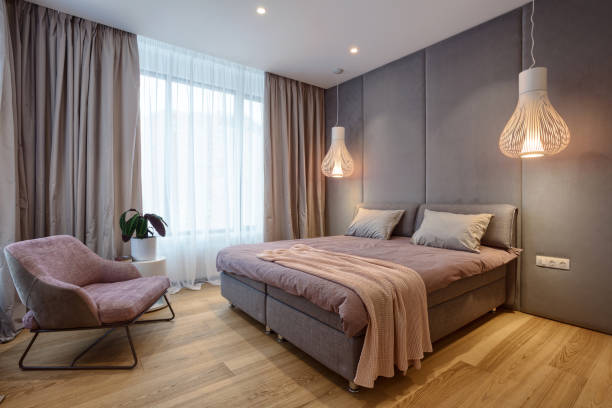
A: Yes. Dark walls (such as warm gray or dark blue) paired with warm lighting and soft beige or oatmeal-colored home textiles can create a strong yet warm contrast, resulting in a calm and enveloping gentle atmosphere.
https://www.abeneth.com/ultimate-guide-to-a-warm-home-mastering-textiles-lighting/